Aligning Reward Structures with Game Mechanics in UK Online Casinos for Progressive Jackpot Opportunities
Written by Harper Griffin · May 29, 2026
Aligning Reward Structures with Game Mechanics in UK Online Casinos for Progressive Jackpot Opportunities
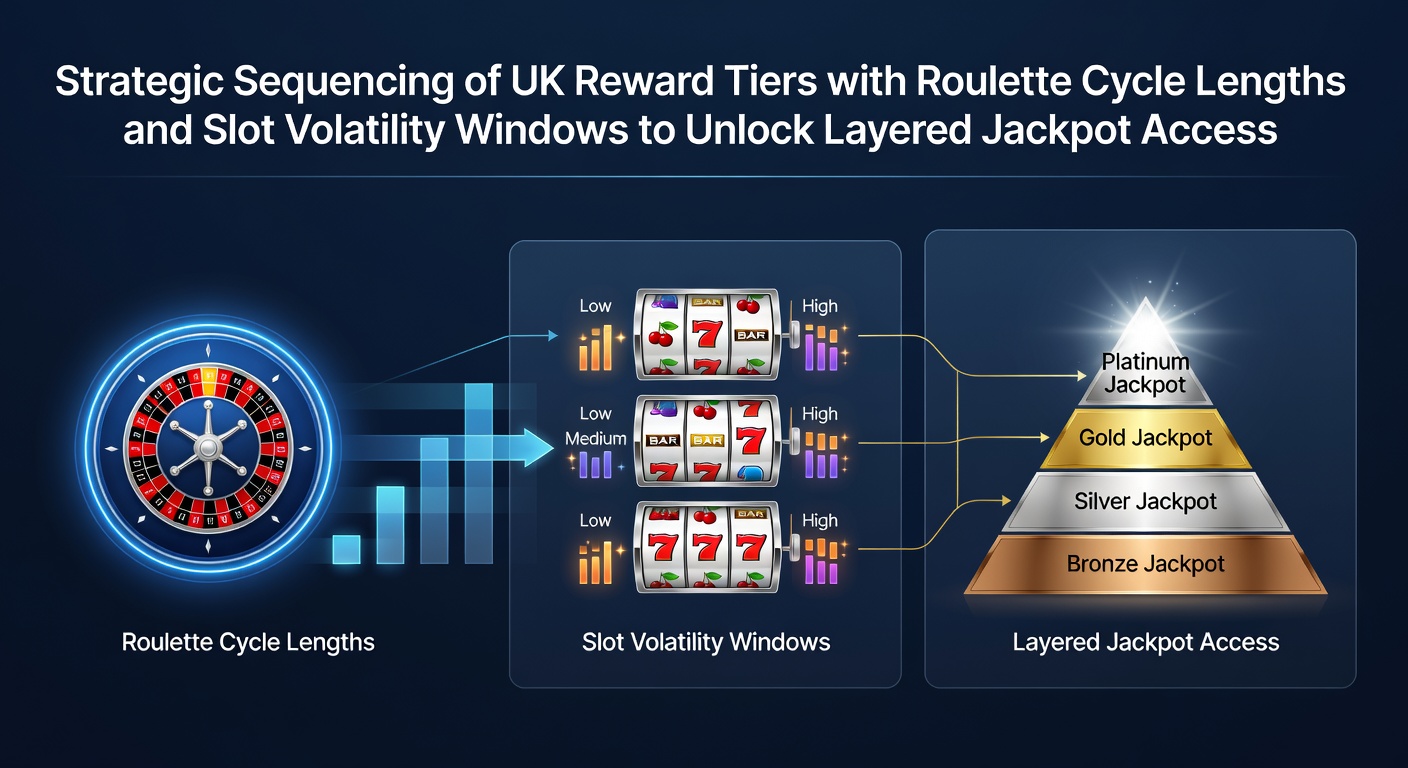
UK online casino platforms organize reward tiers into structured levels that players access through consistent gameplay across roulette and slot titles, and observers note how these tiers often connect to measurable game parameters such as roulette cycle lengths and slot volatility windows to facilitate layered jackpot progression. Research from the Australian Gambling Research Centre indicates that cycle tracking in roulette involves monitoring sequences of red-black or high-low outcomes over extended sessions while slot volatility refers to the frequency and size distribution of payouts within defined time windows. Data from multiple European gaming associations shows platforms release updated tier criteria periodically with adjustments appearing in regulatory filings during spring months including May 2026 when several operators introduced revised loyalty matrices tied to cross-game activity thresholds.
Roulette Cycle Lengths and Their Role in Tier Advancement
Players advance through reward tiers when they complete designated numbers of spins within specific cycle parameters and experts have documented that shorter cycles of 20 to 40 spins often align with entry-level bronze and silver tiers whereas longer sequences exceeding 100 spins correspond to gold and platinum requirements on many UK-licensed sites. According to figures from the Victorian Responsible Gambling Foundation longer cycles allow accumulation of loyalty points at accelerated rates because platforms weight consecutive spin activity differently from isolated bets and this weighting creates natural gateways to higher tiers that unlock additional jackpot layers. Observers have recorded instances where operators adjust cycle multipliers during promotional windows and those adjustments frequently occur alongside seasonal regulatory updates that take effect around May each year.
Slot Volatility Windows and Layered Access Mechanics
Slot titles operate within volatility windows that describe periods of high medium or low payout variance and researchers at the University of Nevada Reno Gaming Research Center have mapped how these windows interact with reward tier progression when players switch between low-volatility base games and high-volatility bonus rounds. Platforms calculate tier eligibility using aggregated spin data collected during defined windows so that a sequence of medium-volatility spins lasting 50 to 75 rounds may satisfy gold-tier criteria while high-volatility sessions exceeding 150 spins often meet platinum thresholds that grant layered jackpot eligibility. Evidence from industry reports compiled by the Belgian Gaming Commission reveals that volatility alignment with tier requirements produces measurable differences in jackpot access rates across operator networks with coordinated timing between roulette cycles and slot windows yielding the most consistent advancement patterns.
Sequencing Reward Tiers Across Game Types
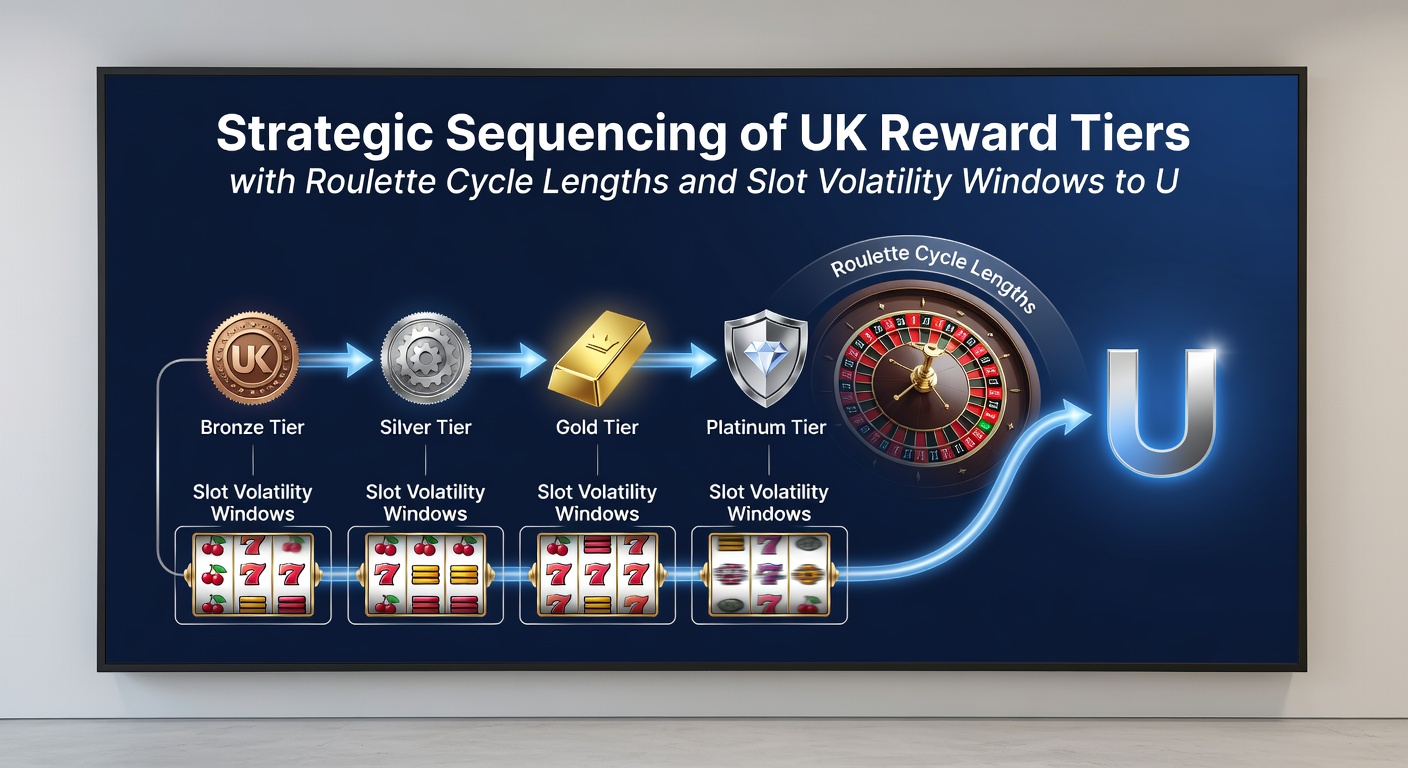
Operators structure tier sequencing so that completion of one level automatically feeds eligibility data into the next and this process relies on synchronized tracking of roulette cycle completion alongside slot volatility metrics. One documented case from an operator network showed players reaching silver tier after 35 roulette cycles then transitioning directly into a medium-volatility slot window that satisfied gold requirements within 60 additional spins thereby unlocking a secondary jackpot layer unavailable at lower tiers. Reports compiled by the Canadian Centre on Substance Use and Addiction note that such sequencing protocols appear in operator compliance documentation and they frequently reference cycle and volatility parameters as core variables in determining progressive access rights across multiple game categories.
Practical Implementation Patterns Observed in 2026
During May 2026 several platforms published revised tier matrices that incorporated explicit references to cycle length minimums and volatility window durations and these updates aligned with broader European industry standards for transparent reward calculation. Data released through academic partnerships at the University of Sydney demonstrated that players who maintained consistent sequencing between roulette sessions of at least 80 spins and subsequent slot windows of controlled variance achieved higher tier completion rates than those using unsynchronized approaches. Platforms present these mechanics through in-game dashboards that display real-time progress toward each tier with indicators showing remaining cycle counts and current volatility alignment status.
Conclusion
Strategic alignment between UK reward tiers roulette cycle lengths and slot volatility windows forms a documented framework that operators use to manage layered jackpot access and available research confirms measurable relationships between these elements. Platforms continue to refine these systems with updates appearing at regular intervals including the changes noted for May 2026 while external studies from multiple jurisdictions provide ongoing data on how such mechanics function across licensed environments.