Integrating Live Dealer Interactions into Mobile Reel Mechanics via Optimized Bonuses and Payment Routing
Written by Riley Berger · Jul 26, 2026
Integrating Live Dealer Interactions into Mobile Reel Mechanics via Optimized Bonuses and Payment Routing
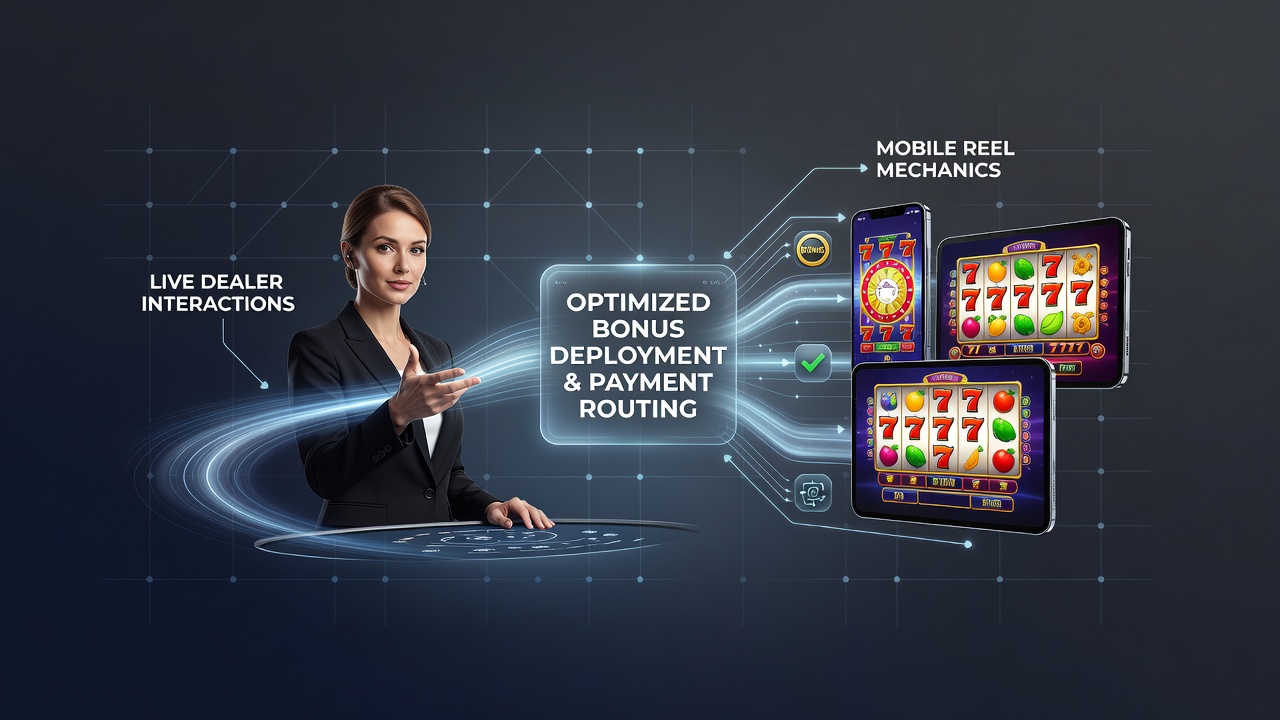
Platforms that combine live dealer sessions with mobile reel systems rely on coordinated bonus structures and payment pathways to maintain continuous player engagement across formats, and data from industry reports show these integrations have expanded in several regulated markets since 2024. Operators deploy algorithms that track live table activity and trigger reel bonuses in real time, which allows users to move between dealer-hosted games and automated slot sequences without separate logins or account adjustments.
Payment routing plays a central role in these setups because it directs deposits and withdrawals through channels that support both live and reel environments simultaneously. Systems often prioritize low-latency processors for instant bonus credits, while separate ledgers record activity from each format to ensure compliance with regional rules. In July 2026 several operators updated their routing protocols to incorporate multi-currency support, which reduced processing times for cross-format transactions according to figures released by the New Jersey Division of Gaming Enforcement.
Mechanics of Live Dealer and Mobile Reel Synchronization
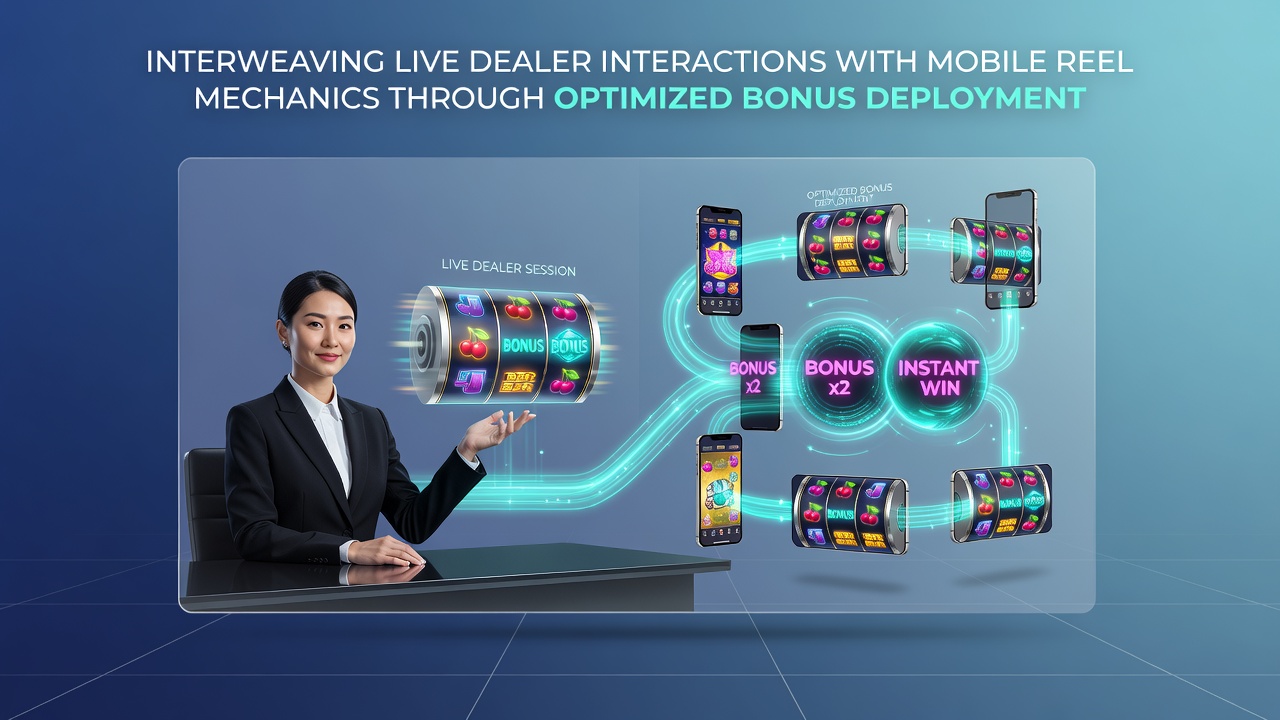
Live dealer streams feed data directly into mobile applications so that player decisions at the table influence available reel features within the same session. When a user places a qualifying bet with a dealer, the backend system registers that action adn releases a corresponding reel bonus, such as additional spins or multiplier boosts, without requiring manual claims. This linkage depends on API connections that update every few seconds, and researchers at the University of Nevada, Reno documented similar synchronization methods in a 2025 study of integrated casino platforms.
Bonus deployment follows predefined rules based on combined play volume rather than isolated game results. A player who spends time at a live blackjack table may receive targeted reel incentives that activate only after returning to the mobile slot interface, which encourages format switching while operators monitor overall session length. Payment routing complements this process by holding funds in unified wallets that settle across both live and reel ledgers at the close of each round.
Payment Routing Frameworks and Bonus Allocation Patterns
Optimized payment routes segment transactions according to game type and bonus eligibility, which prevents delays when credits move between live dealer balances and reel accounts. Secure tokenization handles each transfer so that regulatory audits can trace every bonus origin and redemption separately. Industry organizations such as the European Gaming and Betting Association have published guidelines on these routing standards, noting that they help operators maintain separate reporting streams for taxation purposes across member states.
One implementation pattern involves tiered bonuses that scale with the proportion of play split between live and mobile formats. Data collected in 2026 shows platforms using this method recorded higher retention rates during peak hours because players received incremental rewards for balanced participation rather than single-format focus. Routing engines automatically adjust for regional banking restrictions, which ensures users in different jurisdictions experience consistent bonus timing regardless of payment provider.
Operational Considerations in July 2026
Updates rolled out in July 2026 introduced enhanced encryption layers for data shared between live streams and mobile reel servers, and these changes addressed security concerns raised in earlier cross-platform audits. Operators now test routing pathways weekly to verify that bonus triggers remain synchronized even during high-traffic periods, while compliance teams review payment logs for any discrepancies between live and reel activity records.
Training modules for support staff cover the full bonus lifecycle so representatives can explain how a live table wager converts into reel credits through the payment system. Technical teams maintain dashboards that display real-time metrics on bonus deployment rates and routing success percentages, allowing quick adjustments when patterns deviate from expected thresholds.
Conclusion
Integration of live dealer interactions with mobile reel mechanics continues to depend on precise bonus deployment rules and efficient payment routing systems that operate across regulated environments. Observers note that platforms maintaining these connections report consistent transaction volumes when synchronization protocols receive regular updates, and external sources such as the New Jersey Division of Gaming Enforcement provide ongoing data that tracks these operational patterns without revealing proprietary methods. Continued refinement of these frameworks supports stable cross-format play while meeting reporting requirements in multiple jurisdictions.