Payment Pathways Linking Dealer Tables and Portable Reels Through Layered Reward Structures
Written by Riley Berger · Jun 10, 2026
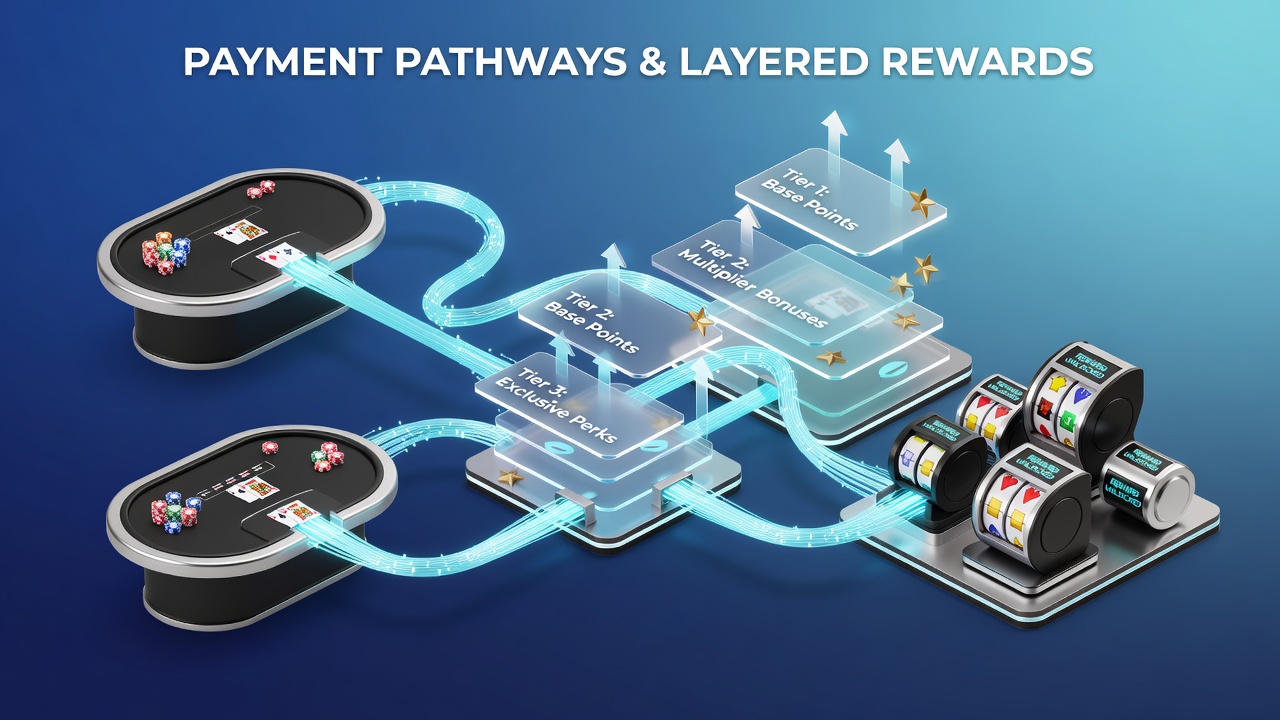
Payment Pathways Linking Dealer Tables and Portable Reels Through Layered Reward Structures
Payment systems in modern casinos connect live dealer tables directly to portable reel games through shared transaction channels and multi-tiered reward programs that track activity across both formats. These pathways allow funds to move seamlessly while accumulating points or bonuses that apply to either environment depending on player selections and operator configurations.
Core Mechanics of Integrated Payment Channels
Operators establish unified wallets that handle deposits for table games and reel sessions simultaneously so that a single transaction supports play on roulette wheels as well as digital reels without separate funding steps. Layered rewards function by assigning value multipliers at different activity thresholds where initial deposits unlock base credits then subsequent wagers on dealer tables generate additional layers that carry over to mobile slots. Data from transaction logs shows that such structures reduce processing friction while maintaining separate ledgers for regulatory reporting in various jurisdictions.
Payment gateways process these flows using encryption protocols that verify identity once then authorize transfers across game types. Observers note that this integration becomes especially visible during promotional periods when operators synchronize reward tiers to encourage transitions between live tables and portable devices. The result appears in aggregated play data where session lengths on reels often extend after table activity triggers bonus layers.
Layered Reward Structures in Practice
Reward programs typically divide into base, intermediate and premium tiers each triggered by cumulative spend or specific game combinations. A player completing a sequence of bets at dealer tables might receive credits that activate automatically on reel games through the same account interface. Studies from the University of Nevada Las Vegas Center for Gaming Research indicate that these layered systems increase cross-format engagement when payment records update in real time rather than through delayed batch processing.
Transaction Flow Examples
- Initial deposit enters the shared wallet and assigns base reward points applicable to either tables or reels.
- Table game wagers accumulate intermediate layers that unlock reel-specific multipliers once thresholds are met.
- Portable reel sessions feed back into the same structure allowing points to support future live dealer participation without additional transfers.
Those who have examined operator reports observe that these connections rely on centralized player databases which log every payment event and reward activation. The setup permits adjustments to tier requirements based on overall platform activity rather than isolated game performance.
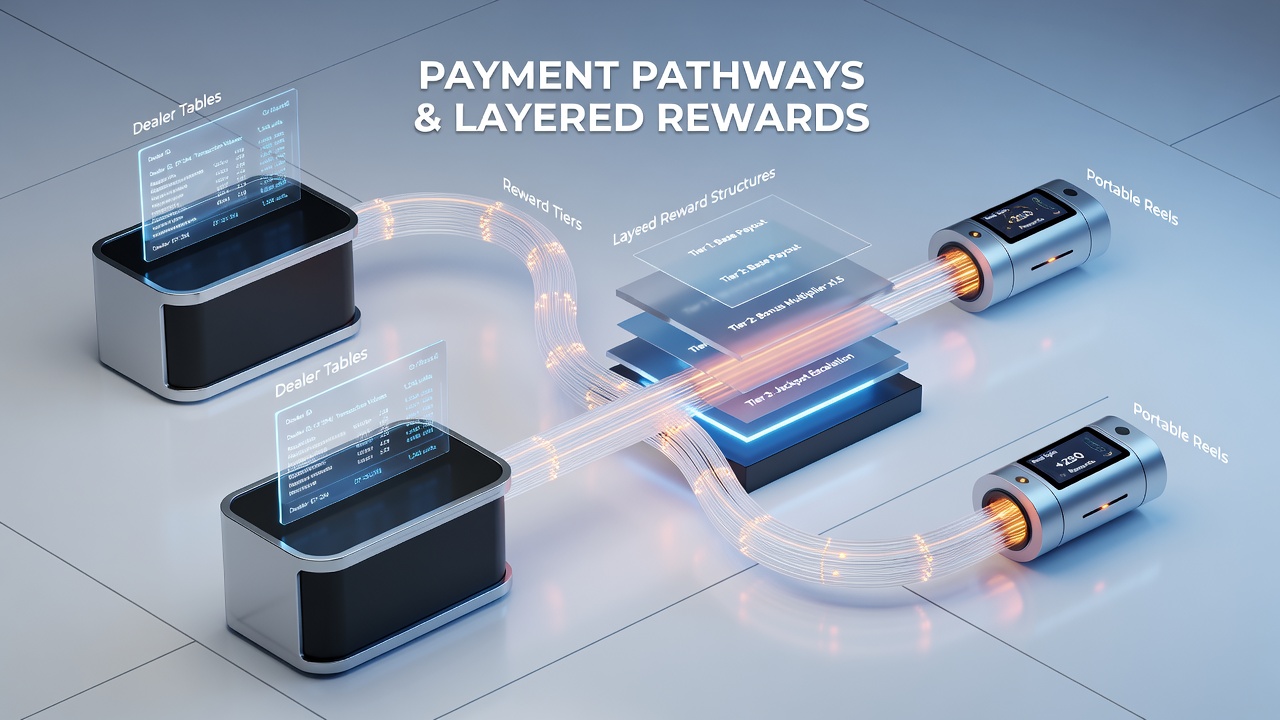
Regulatory and Technical Considerations Across Regions
Authorities in multiple markets require clear separation of funds for compliance yet permit integrated tracking when audit trails remain intact. Reports from the Gambling Regulatory Authority of Singapore highlight how operators must demonstrate that layered rewards do not obscure individual transaction origins. Similar guidelines appear in Canadian provincial frameworks where payment pathway documentation supports both player protection and tax calculations.
Technical implementations often involve application programming interfaces that link dealer station software with mobile reel platforms through the central payment processor. These connections update reward balances instantly so players see unified progress across formats. Industry analyses from the European Gaming and Betting Association note that such integrations have expanded since 2024 as hardware improvements allow faster synchronization between physical tables and portable devices.
Developments Observed in Mid-2026
By June 2026 several platforms introduced enhanced verification layers within existing payment pathways to align with updated security standards while preserving reward continuity. These changes maintain the core linkage between dealer tables and reel games yet add optional two-factor confirmations at higher reward tiers. Transaction volume data collected during this period shows continued use of shared wallets across formats without disruption to layered bonus activation.
One case involved an operator that synchronized its loyalty database across live and mobile channels resulting in measurable shifts in play distribution between tables and reels during promotional windows. The adjustments occurred through existing payment infrastructure rather than new system builds which kept implementation timelines short.
Conclusion
Payment pathways that link dealer tables with portable reels through layered reward structures operate via unified wallets and tiered point systems that track activity across formats. These mechanisms rely on real-time database updates and compliant transaction processing that satisfies requirements in multiple regulatory environments. As platforms refine their technical connections the same foundational elements continue to support seamless movement of funds and rewards between live and mobile gameplay options.