Payment Shifts Boosting Remote Wheel and Reel Experiences in Britain
Written by Wendy Coleman · Aug 26, 2026
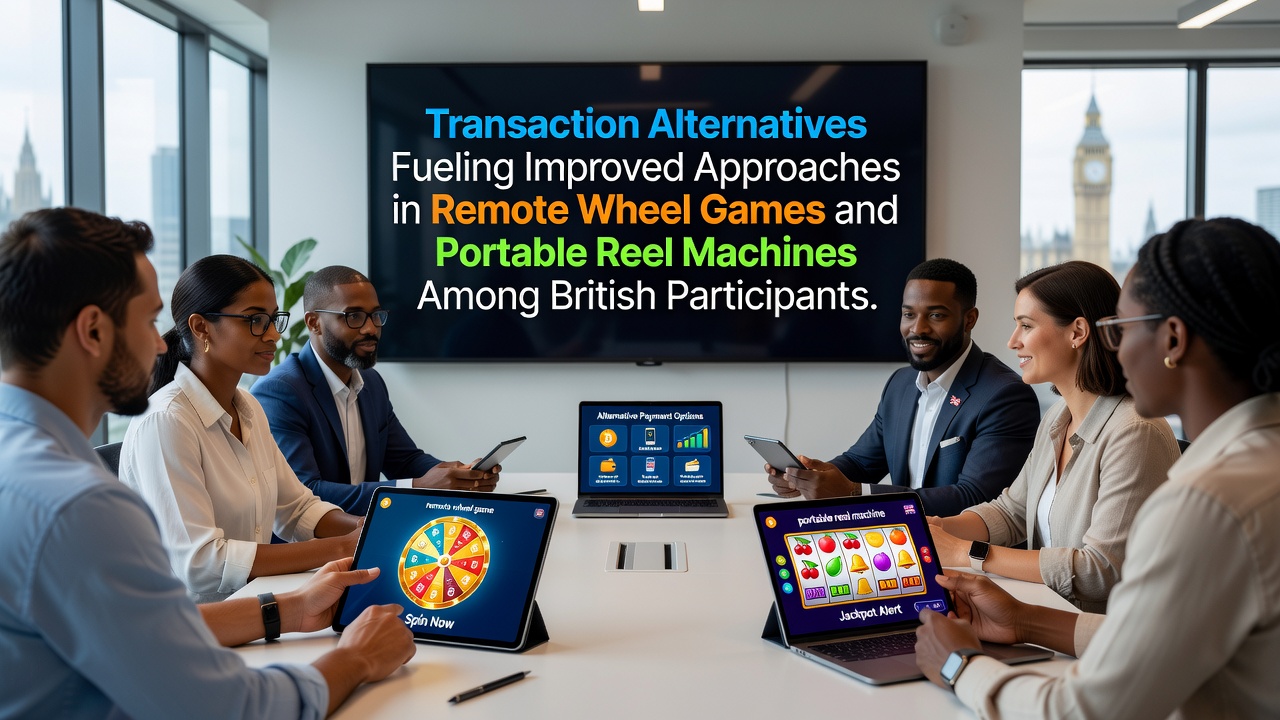
Payment Shifts Boosting Remote Wheel and Reel Experiences in Britain
Alternative Transaction Methods Gain Ground
Data from industry reports shows British participants turning toward e-wallets, instant bank transfers, and prepaid options when accessing remote wheel games and portable reel machines, and these shifts coincide with broader changes in how platforms handle deposits and withdrawals during summer 2026.
August 2026 saw increased adoption of digital wallets across European markets according to figures compiled by the European Gaming and Betting Association, while British users followed similar patterns as operators integrated faster settlement times into roulette and slot applications.
Remote Wheel Games See Streamlined Play
Remote wheel games benefit when players select transaction alternatives that reduce processing delays, and researchers at several European institutions have documented how quicker fund movements allow participants to maintain session flow without repeated interruptions for verification steps.
One study from the University of Malta examined transaction speeds across multiple jurisdictions and found that e-wallet users completed roulette rounds more consistently because deposits cleared within seconds rather than minutes, which in turn supported extended engagement with live dealer tables and progressive variants.
Portable devices amplify these advantages because players often switch between sessions on the move, and seamless payments prevent the friction that once interrupted mobile roulette sequences.
Portable Reel Machines Adapt to New Channels
Portable reel machines have incorporated similar transaction alternatives, and data indicates that British participants favor methods supporting micro-transactions for frequent small bets alongside larger jackpot pursuits.
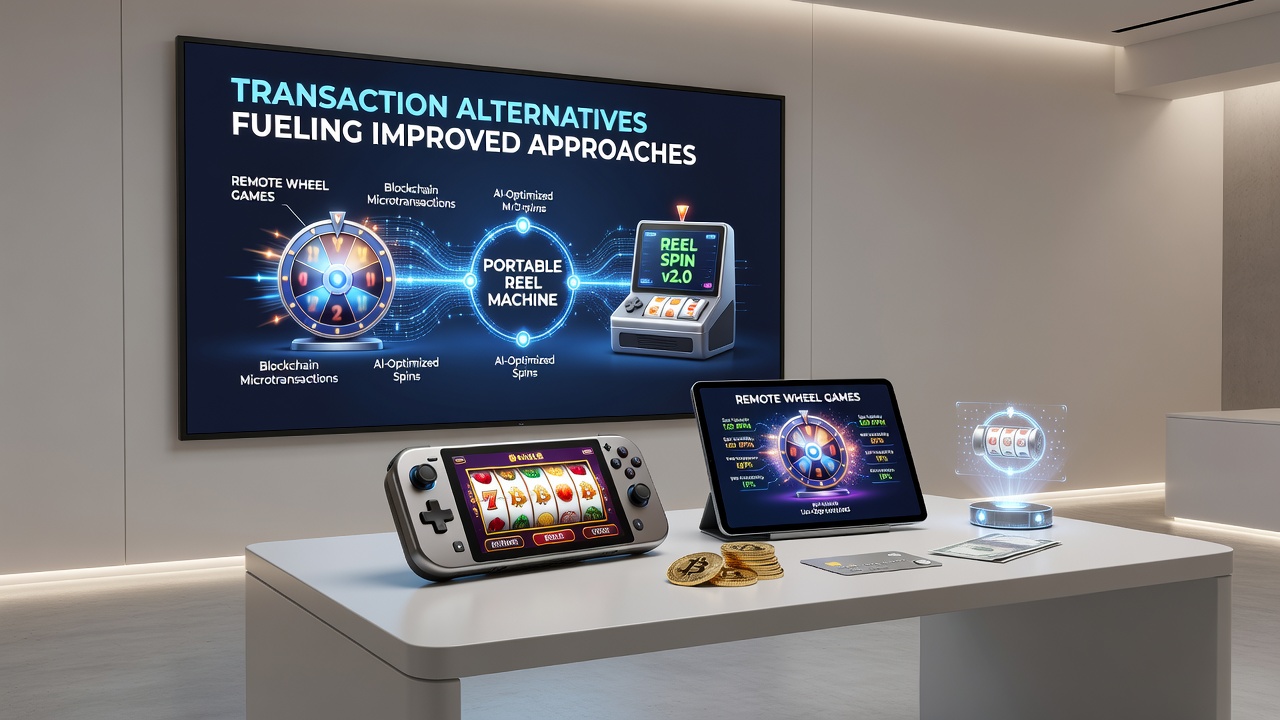
Prepaid cards and instant bank links appear frequently in operator reports because they accommodate variable spending patterns common among mobile users who alternate between quick spins and longer reel sessions throughout the day.
What's interesting is how these options align with device notifications, allowing players to receive instant confirmation without leaving the game interface, and industry observers note this integration reduces drop-off rates during bonus rounds.
Trends Emerging in Mid-2026
Throughout 2026 transaction alternatives continued expanding, and August brought particular attention to cross-border compatibility as more British participants traveled and required payment methods that function reliably across different regulatory environments.
Figures from the New Jersey Division of Gaming Enforcement revealed parallel growth in digital payment usage for mobile gaming, suggesting that solutions tested in one region influence platform development elsewhere and British operators have drawn from those models when updating their own systems.
Observers note that security features tied to these alternatives, such as biometric confirmation within banking apps, have become standard expectations rather than optional extras for reel machine users.
Practical Examples from Current Platforms
Take one major operator that introduced instant bank transfers for its mobile roulette section in early 2026, and subsequent metrics showed a measurable uptick in session length among British participants who previously abandoned carts during slower verification processes.
Another platform combined prepaid options with slot progressives, allowing users to fund multiple portable reel machines from a single balance without repeated logins, and this approach reduced friction during peak evening hours when mobile traffic spikes.
Those who've tracked these developments point out that such changes reflect wider shifts in consumer payment habits outside gambling, where speed and convenience drive adoption across digital services.
Conclusion
Transaction alternatives continue reshaping access to remote wheel games and portable reel machines for British participants, and the patterns observed through August 2026 indicate sustained momentum toward faster, more integrated payment channels. Data from multiple regulatory and academic sources supports the view that these methods enhance session continuity while aligning with mobile usage behaviors already established in other sectors.