Regulatory Evolution in Licensed Gaming: Influences on Live Table Features and Portable Reel Promotions
Written by Riley Berger · Aug 29, 2026
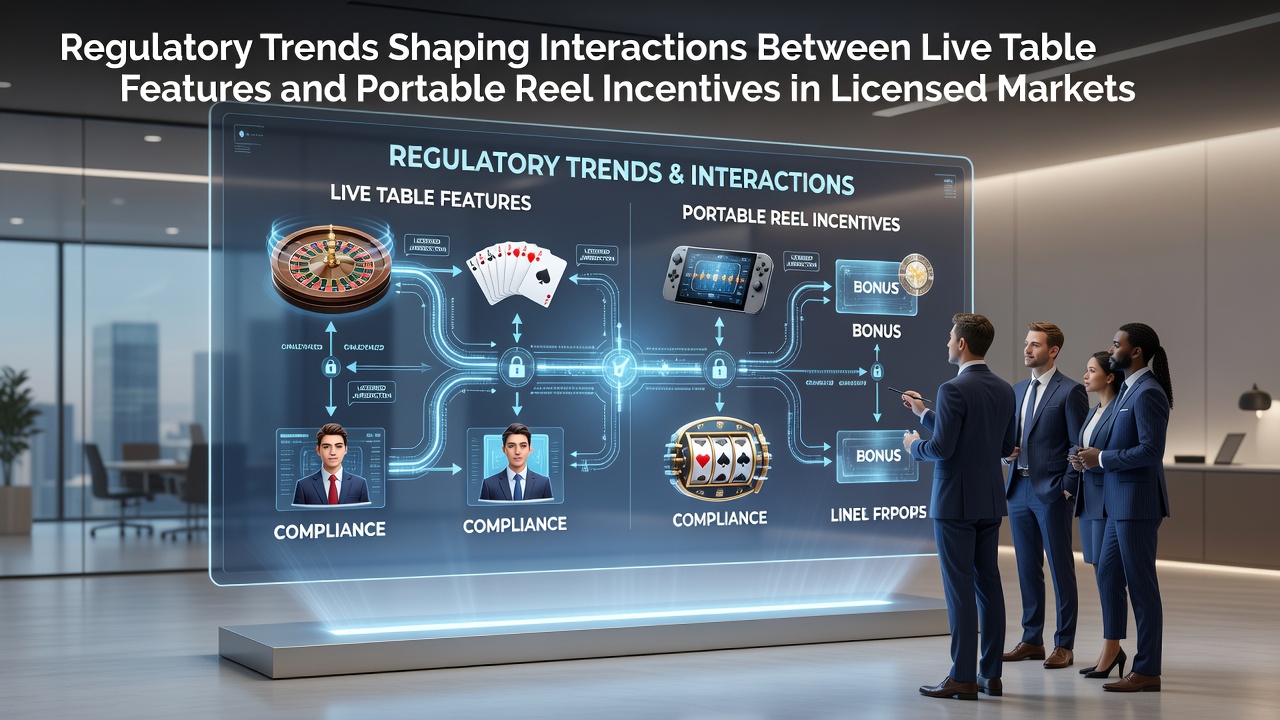
Regulatory Evolution in Licensed Gaming: Influences on Live Table Features and Portable Reel Promotions
Regulatory frameworks across licensed markets continue to adapt as live table features and portable reel incentives grow more interconnected, with authorities adjusting rules that govern player engagement, bonus structures, and cross-platform promotions. These changes reflect efforts to maintain integrity while operators develop hybrid offerings that combine real-time dealer interactions with mobile slot mechanics.
Core Elements Driving Regulatory Focus
Live table features typically include real-time roulette, blackjack, and baccarat streams that integrate with player accounts, whereas portable reel incentives encompass mobile-optimized slot bonuses, free spin packages, and progressive jackpot links. Regulators examine how these elements interact when promotions allow winnings from one format to transfer into the other, creating requirements around transparency in bonus terms and fund segregation. Data from industry reports show increased scrutiny on synchronization features that let players move between live sessions and reel play without separate verification steps.
Developments Emerging in Mid-2026
By August 2026 several jurisdictions had implemented updated guidelines addressing combined reward systems, requiring operators to disclose how live table wagers influence reel incentive eligibility and vice versa. These rules emphasize clear separation of promotional funds to prevent unintended cross-contamination of player balances. Observers note that such measures aim to reduce disputes arising when a live dealer outcome triggers or voids a portable reel bonus. Research from academic sources indicates these policies emerged after audits revealed inconsistencies in how operators handled multi-format promotions across different device types.
Cross-Platform Interactions Under Review
Authorities now require detailed logging of sequences where live table results feed into reel incentives, such as when a roulette spin unlocks additional mobile spins. This approach stems from concerns that rapid transfers between formats could obscure responsible gaming limits. According to Nevada Gaming Control Board reports, operators must maintain separate audit trails for each component even when promotions link them. Similar patterns appear in other markets where regulators examine whether portable reel incentives retain independent verification when triggered by live table activity.
Regional Approaches to Oversight
North American frameworks tend to prioritize technical standards for integration, mandating that software providers demonstrate compliance before live table and reel systems connect through shared incentive pools. European authorities focus more on consumer disclosure, requiring prominent display of how live features interact with mobile reel rewards. In Asia-Pacific licensed markets, emphasis falls on transaction monitoring to track flows between live dealer platforms and portable reel accounts. These variations create challenges for operators managing multi-jurisdictional portfolios, yet they also encourage development of modular compliance tools that adapt to each region's specific demands.

Case studies from several operators reveal that jurisdictions introducing these layered requirements saw measurable adjustments in promotional design, with fewer combined offers that automatically convert live table results into reel bonuses. Instead, many platforms now present separate opt-in pathways for each format while still allowing manual transfers under controlled conditions.
Technical and Compliance Adjustments
Software updates have become necessary to meet new logging and disclosure standards, particularly around real-time notifications when a live table feature affects portable reel incentive status. Regulators expect systems to flag potential limit breaches across both formats simultaneously. Industry organizations report that testing protocols now include simulated cross-format scenarios to verify compliance before deployment. Those who've studied implementation timelines observe that operators investing early in unified tracking systems encountered fewer delays during approval processes.
Conclusion
Regulatory trends continue to shape how live table features and portable reel incentives coexist within licensed markets, with emphasis on transparency, separate tracking, and controlled interactions. As frameworks evolve through 2026 and beyond, operators and technology providers adjust their systems to align with regional expectations while maintaining functional connections between the two formats. These developments establish clearer pathways for compliant innovation without compromising oversight objectives.