Transaction Pathways in Hybrid Gaming: Linking Live Dealer Wheels to Mobile Reel Play Through Incentive Structures
Written by Riley Berger · Jul 3, 2026
Transaction Pathways in Hybrid Gaming: Linking Live Dealer Wheels to Mobile Reel Play Through Incentive Structures
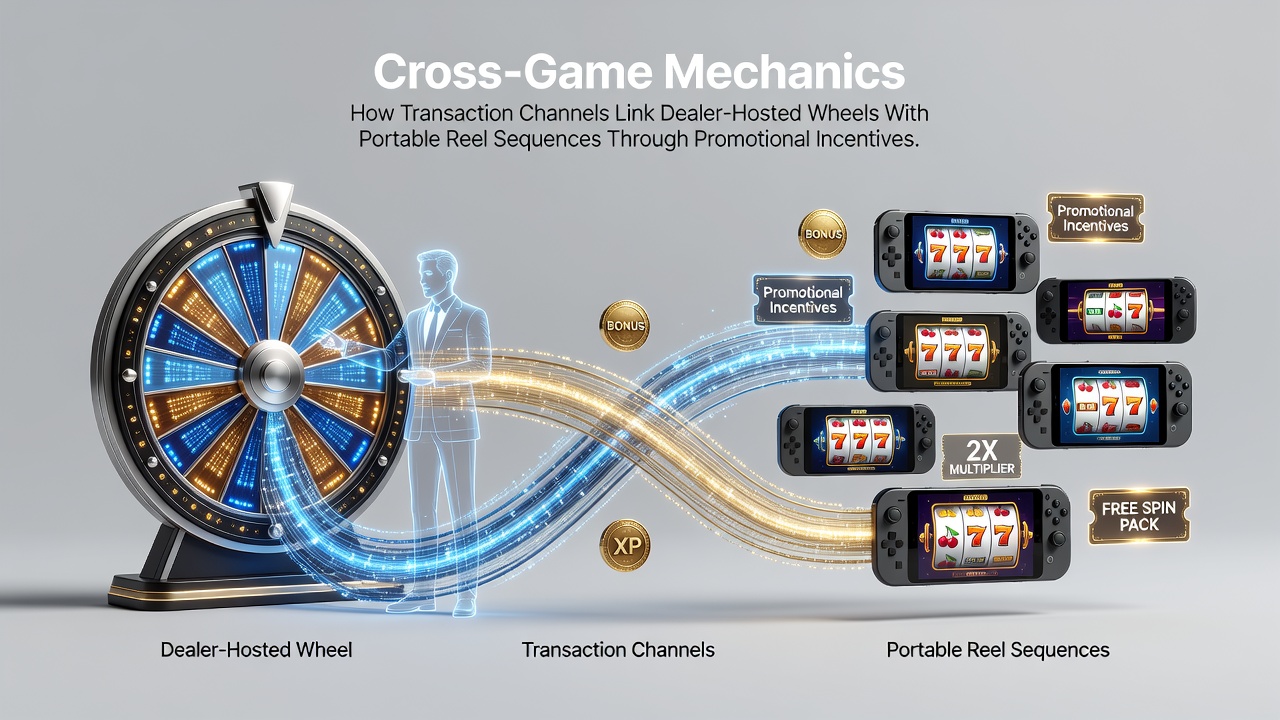
Integrated gaming platforms continue to evolve as operators develop systems that connect dealer-hosted wheel games with portable reel sequences, and transaction channels serve as the primary bridge for these connections. Payment processing infrastructure allows players to move funds between live table environments and mobile slot interfaces while carrying promotional credits along the same pathways, which creates synchronized reward opportunities across both formats.
Mechanics of Cross-Platform Fund Transfers
Transaction channels operate through unified wallet systems that recognize activity on both wheel-based tables and reel-based mobile games, and these systems apply bonus multipliers or free spin allocations based on deposit patterns that span multiple game types. Data from platform analytics shows that players who initiate transfers during active wheel sessions often receive reel-specific incentives that activate immediately upon switching to mobile play, which streamlines the movement between formats without requiring separate verification steps.
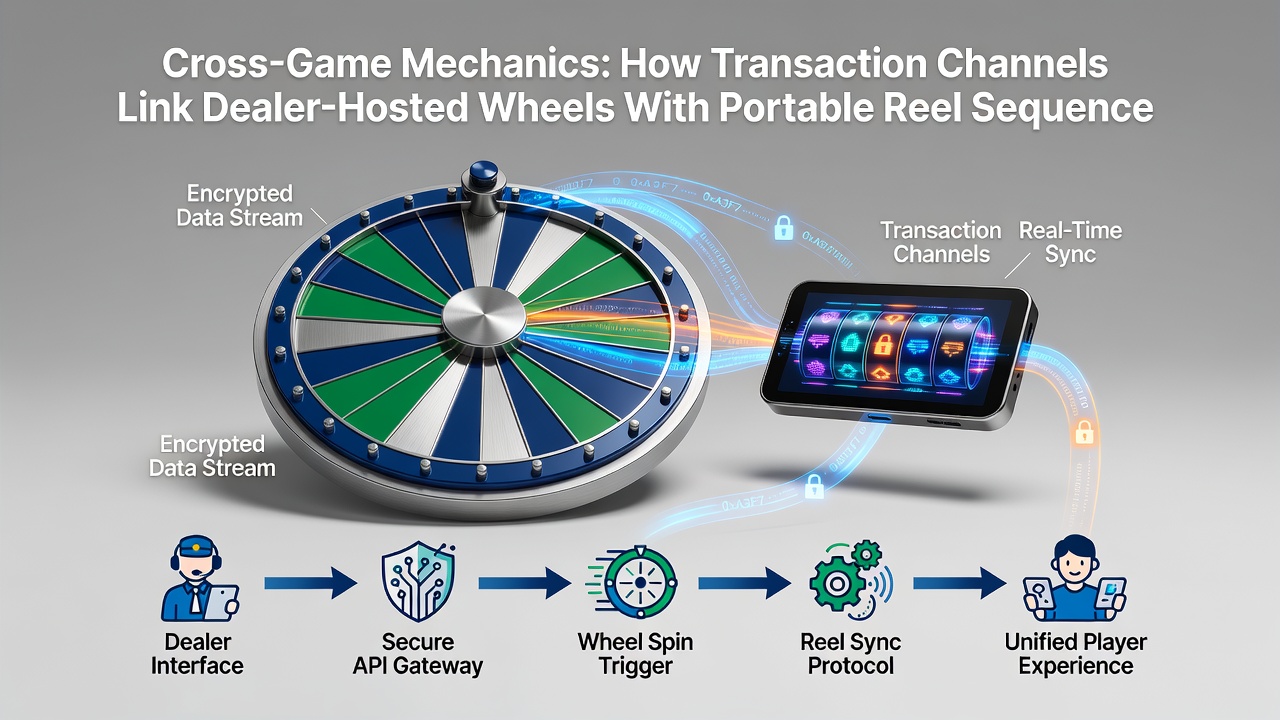
Operators implement API connections between live dealer software and mobile reel engines so that promotional balances update in real time, and this integration ensures that a bonus earned through wheel participation can convert directly into reel sequences on portable devices. According to research published in the University of Nevada gaming studies archive, such linked systems reduce friction in player transitions and increase overall session continuity across game categories.
Promotional Incentive Structures
Promotional designs frequently tie deposit bonuses to specific transaction routes that encourage movement between wheel and reel environments, and these structures reward players who complete qualifying transfers within defined time windows. Industry reports indicate that incentive programs launched around July 2026 expanded the use of tiered rewards, where initial wheel activity unlocks enhanced reel features once funds reach the mobile platform through approved channels.
Payment method selection influences which incentives become available, since certain processors support instant cross-format credit transfers while others impose brief holding periods that affect bonus eligibility. Observers note that operators adjust these parameters based on transaction volume data, which helps maintain balanced engagement between live wheel tables and portable reel offerings.
Examples of Linked Game Sequences
One documented pattern involves players depositing through a channel that flags the transaction for dual-format bonuses, and this flag triggers a wheel spin outcome that determines the value of subsequent reel free spins delivered to the mobile device. Platform logs reveal that these sequences often incorporate progressive elements where reel outcomes feed back into wheel participation credits, creating a closed loop of incentive movement.
Another approach uses time-limited offers that activate only after a transaction crosses from dealer-hosted wheels to portable reels, and data collected by the Canadian Gaming Association shows measurable increases in cross-format play when such offers align with popular payment processors. These examples demonstrate how transaction channels function as both financial conduits and promotional triggers.
Technical Integration Requirements
Backend systems must maintain consistent player identification across live and mobile environments so that promotional balances remain accessible regardless of the active game format, and this consistency relies on encrypted transaction records that update across distributed servers. Developers incorporate checksum protocols to verify that transferred incentives match the original promotional terms before they apply to reel sequences.
Security measures include multi-factor authentication at each transfer point, which prevents unauthorized movement of bonuses between wheel and reel accounts while still allowing legitimate players to shift activity without delay. Reports from platform audits confirm that these safeguards support higher transaction volumes without compromising the linkage between dealer-hosted wheels and portable reel play.
Conclusion
Transaction channels continue to serve as the central mechanism that connects dealer-hosted wheels with portable reel sequences through carefully structured promotional incentives, and ongoing platform updates ensure these connections remain functional as game libraries expand. Data from multiple regions illustrates steady adoption of linked systems that allow seamless movement of funds and rewards across formats, which shapes how operators design future cross-game experiences.